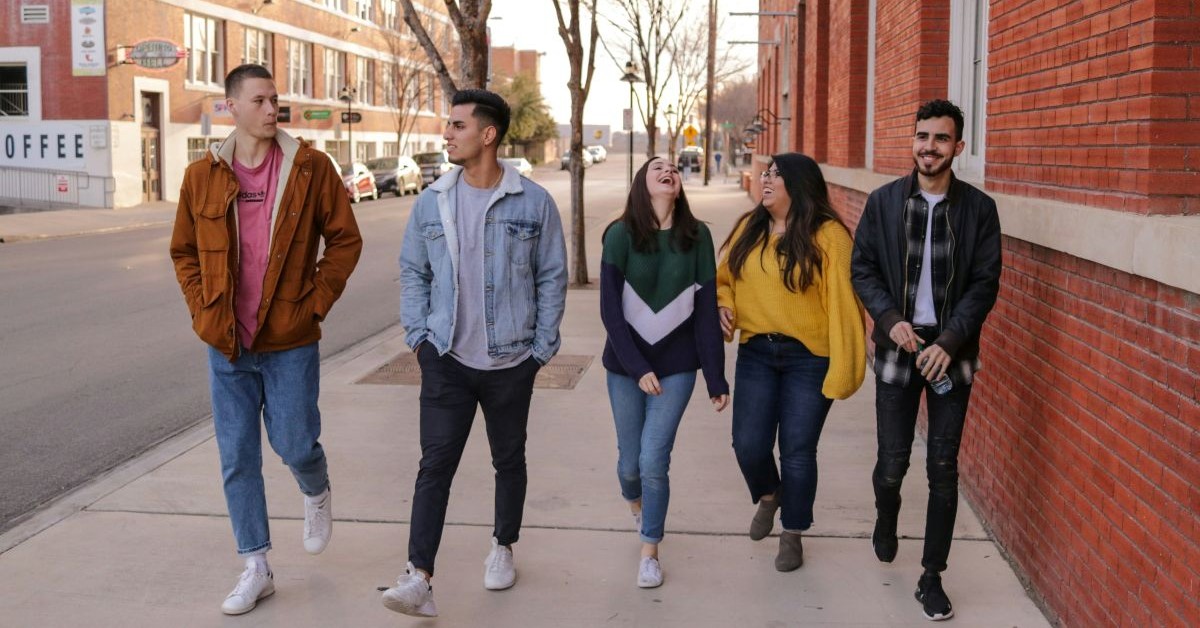
Youth unemployment seems to be making an unwelcome comeback. Between 2021 and 2024, the number of young people not in work or education jumped to 37%—and the trend isn’t slowing down. By late 2025, unemployment among 16–24‑year‑olds hit 16.1%, compared to 5.3% across all working ages. That’s a big gap, and it’s understandably causing concern.
So, what’s being done about it?
On 16 March, the government announced a major £1 billion investment designed to boost job opportunities for young people. The plan aims to create 200,000 jobs and comes with some big apprenticeship reforms.
Here’s what’s included:
- Apprenticeship Reforms: Small and medium‑sized enterprises will get £2,000 for each new apprentice they take on.
- Youth Jobs Grant: Businesses will receive £3,000 for every young person aged 16–24 they hire, as long as that young person has been on Universal Credit and actively seeking work for six months.
- Job Guarantee Scheme Expansion: Previously covering ages 18–21, it now stretches to 18–24, reaching more young people who need support.
But how do people feel about it?
Reactions are… mixed.
While the financial incentives (“the carrot”) are welcomed, there’s some nervousness about the “stick.” This year, the extended Job Guarantee Scheme will require anyone who’s been out of work for 18 months to take up a six‑month placement—or risk losing their benefits if they refuse without good reason. Some see this as fair; others feel it adds pressure during an already challenging time for young jobseekers.
Another worry is that lot of apprenticeships, although being well used, are being used by employees and people over the age of 24 because anyone can access an apprenticeship. So, while positive, it doesn’t seem to be targeting the people it needs to, in terms of young people.
What’s next?
For now, we’ll have to watch and see how these changes play out. There’s hope that the new investments and reforms will genuinely help young people get a foot in the door—or back into education or work. But with scepticism in the air, it’s a waiting game to find out whether these policies will make the difference they’re aiming for.
Let’s keep our fingers crossed for positive change.
Photo by Eliott Reyna on Unsplash