
Health inequalities affect millions of people across the UK, yet they are often shaped by factors that sit far beyond hospitals and GP surgeries. For charities and organisations working in the advice and advocacy sector, tackling these inequalities is an important part of helping people live healthier, more fulfilling lives.
What are Health Inequalities?
Health inequalities are unfair and avoidable differences in health between different groups of people. They are influenced by a range of factors, including income, housing, employment, education, disability, ethnicity and access to healthcare.
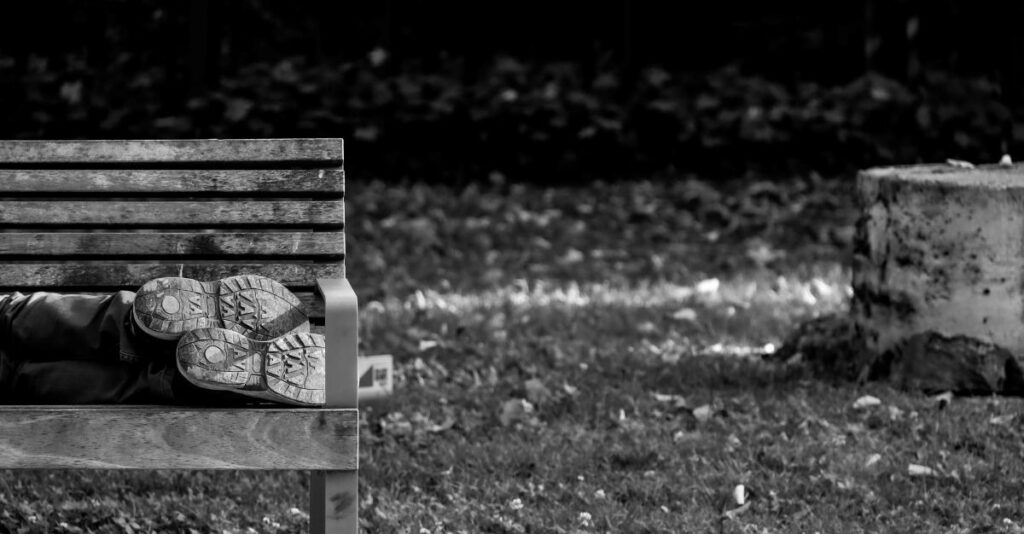
People living in areas of high deprivation, those from Black, Asian and minority ethnic communities, and inclusion health groups such as people experiencing homelessness are often most affected.
One of the starkest examples of health inequality is healthy life expectancy – the number of years a person can expect to live in good health.
According to the Office for National Statistics (ONS), women living in the most deprived areas of England can expect around 20 fewer healthy years than those living in the least deprived areas. Similar gaps exist in Wales, where women can expect 19 fewer healthy years, while men face a gap of more than 18 years.
These figures highlight just how strongly social and economic circumstances can influence health outcomes.
The Challenges Driving Health Inequalities
NHS Waiting Times
Long NHS waiting lists continue to affect patients across the UK, but evidence suggests that people in more deprived areas often experience poorer access to timely treatment.
Analysis from the Health Foundation found significant differences between patients living in the most and least deprived communities. In Kent and Medway, for example, only 56.8% of patients in the most deprived areas were treated within 18 weeks, compared with 65.9% in the least deprived areas.
Digital Exclusion
As healthcare services increasingly move online, digital exclusion is becoming a growing concern.
From booking GP appointments to accessing health information, many services now require digital access. However, around 1.6 million people in the UK do not use the internet, and it is estimated that almost one in four people may struggle to use online services effectively.
This can create additional barriers for older people, disabled people, those on lower incomes and people with limited digital skills.
What Is Begin Done?
Government Action
The UK Government’s 10-Year Health Plan for England has identified reducing health inequalities as a key priority, with a long-term ambition to halve the gap in healthy life expectancy between the most and least deprived communities.
In Wales, the government has established a national milestone under the Well-being of Future Generations Framework, aiming to reduce healthy life expectancy inequalities by 15% by 2050.
NHS Action
The NHS has developed the Core20PLUS5 approach to help reduce healthcare inequalities by directing additional support and resources towards:
- The most deprived 20% of the population.
- Communities experiencing poorer health outcomes.
- People facing barriers to accessing care.
Why Advice and Advocacy Charities Are So Important
Many charities and advocacy organisations believe that improving healthcare alone will not close the health gap.
People’s health is heavily influenced by the conditions in which they are born, grow, work and live. Issues such as poor housing, low income, debt, unemployment and social isolation can all contribute to poorer health outcomes.
By addressing these wider issues, charities are often helping to improve health long before medical intervention becomes necessary.
Ultimately, creating fairer access to housing, income, education and healthcare will not only reduce inequalities but also help build stronger, healthier communities for everyone.
Photo by Amy Hirschi on Unsplash